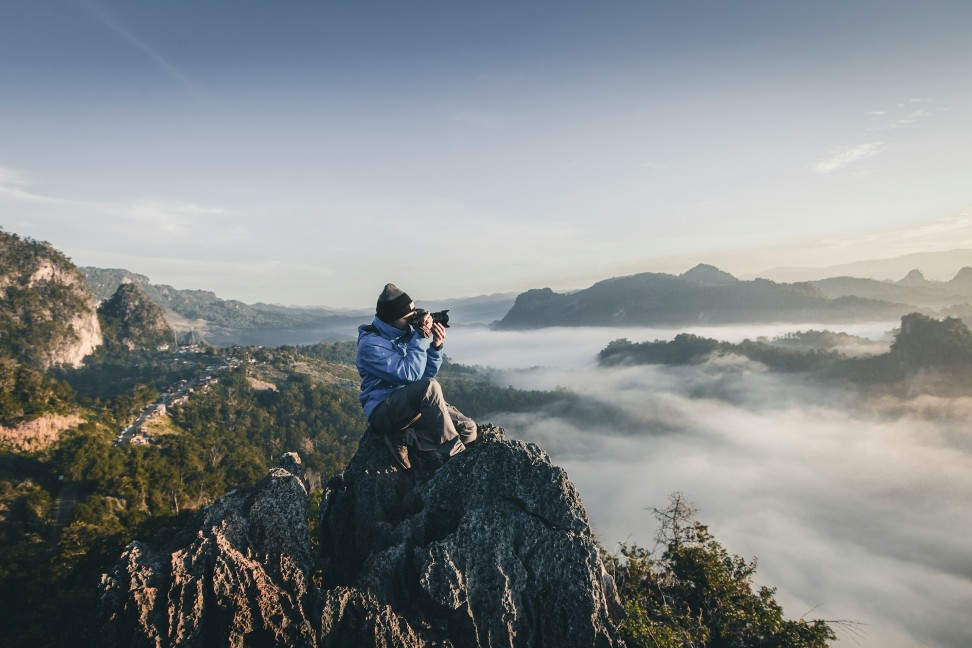
A Luxury safari Tanzania journey gives you extraordinary subjects, but memorable wildlife images rarely come from luck alone. The most striking safari photographs combine preparation, patience, timing, and an eye for behavior rather than simple proximity to an animal. Whether you are carrying a dedicated camera or a compact travel kit, the principles are the same: understand the light, anticipate movement, compose with intention, and let the landscape tell part of the story. When you approach safari photography as observation first and shooting second, your images immediately gain depth.
Prepare Before You Leave the Lodge
The best safari photographers do much of their work before the vehicle even starts moving. You do not need the biggest camera bag on the market, but you do need equipment you know well. Safari conditions are fast-changing: a leopard may appear for seconds, a herd may move through dust at sunrise, or a bird may lift off without warning. That is not the moment to search through menus.
Start with a practical kit. A versatile telephoto lens is usually the core of safari photography because wildlife often keeps a respectful distance. A second body, if you have one, helps reduce lens changes in dusty conditions. A beanbag is often more useful in a vehicle than a tripod, and extra batteries matter because long game drives, bursts of shooting, and early starts can drain power quickly.
| Gear | Why it helps on safari | What to watch for |
|---|---|---|
| Telephoto zoom | Gives reach for wildlife while staying flexible as animals move closer or farther away | Practice smooth zooming so you do not lose the moment |
| Mid-range lens | Useful for wider habitat shots, camp scenes, and elephants or giraffes at close range | Keep it easily accessible rather than packed away |
| Beanbag | Stabilizes the camera against the vehicle frame without taking up much space | Bring a lightweight one that is easy to reposition |
| Extra batteries and cards | Lets you shoot freely through long drives and peak wildlife activity | Store cards carefully to avoid dust and confusion |
It also helps to set your camera up in advance. Use continuous autofocus if your subject may move, save a custom setting for action, and get comfortable adjusting shutter speed and exposure compensation by feel. The less you think about the camera, the more attention you can give the scene in front of you.
Work With Light, Timing, and Position
Light is often the difference between a simple record shot and an image with atmosphere. Early morning and late afternoon are prized for good reason: the sun is lower, colors are richer, shadows are softer, and animals are often more active. Midday can still be productive, but it usually asks for a different visual strategy. Instead of chasing flattering portrait light, look for graphic shapes, behavior, or black-and-white possibilities in harsher contrast.
Position matters just as much as timing. If the sun is behind you, color and detail tend to be cleaner. If the light is side-on, you can capture texture in fur, feathers, and grass. Backlighting can be beautiful when there is dust, mist, or rim light around an animal, but it requires more care with exposure.
A skilled guide can make an enormous difference here. Ask politely if it is possible to adjust the vehicle a little left or right, or to pause a bit longer if the scene is developing. Small changes in angle can clean up a distracting background, separate horns from a bush line, or place catchlight in an animal’s eyes.
- At sunrise: prioritize soft portraits, silhouettes, and low-angle atmosphere.
- In late afternoon: look for warm side light and active behavior as temperatures ease.
- After rain or in dust: watch for mood, texture, and dramatic shafts of light.
- On bright days: include more environment so the landscape carries visual interest.
Patience is part of lighting too. A lion lying flat may not be a photograph yet, but if you wait for the head to rise, the yawn to come, or the cub to enter the frame, the image can transform.
Compose Stronger Safari Images
Many safari photos fail for the same reason: the animal is centered, the background is cluttered, and there is no sense of story. Strong composition begins with clarity. Decide what the image is about. Is it the predator’s stare, the sweep of migration, the intimacy between mother and calf, or the scale of the plains around a solitary elephant? Once you know the subject, everything else in the frame should support it.
Eyes are especially important. If the eyes are sharp and visible, viewers connect instantly. Then consider space and direction. Leave room for an animal to look or move into; a running cheetah pressed against the edge of the frame feels cramped, while open space ahead creates tension and flow. Do not be afraid to shoot both tight and wide. A close portrait reveals detail, but a wider frame often says more about place, season, and mood.
- Simplify the background. Move your angle slightly to avoid branches appearing to grow from heads or bodies blending into scrub.
- Use layers. Foreground grass, a middle subject, and distant hills can make a scene feel immersive.
- Look for behavior. Interaction is usually more compelling than stillness alone.
- Include habitat. Tanzania’s landscapes are part of the story, not just a backdrop.
- Try vertical frames. Giraffes, standing elephants, and birds on perches often suit them beautifully.
One of the most professional habits you can develop is shooting sequences, not single frames. When animals shift posture, glance at each other, or move through light, subtle differences matter. The strongest image is often one gesture away from the first shot you take.
Camera Settings That Help in the Field
Safari photography rewards responsiveness more than perfection. A technically perfect but mistimed image is less compelling than a slightly imperfect frame that captures real behavior. Still, a few dependable settings can improve your keeper rate considerably.
For stationary or slow-moving wildlife, use a shutter speed that protects against your own movement as well as the animal’s. If the subject is walking, increase it. If it is running, fighting, or taking off in flight, go faster again. A wider aperture can help isolate the subject from a busy background, while a moderately narrower aperture may be better when several animals are on different planes and you want more depth of field.
- Autofocus: Continuous autofocus is often the safest choice for wildlife.
- Burst mode: Useful for action, but do not hold it down endlessly without intention.
- ISO: Raise it when needed. A little noise is usually preferable to motion blur.
- Exposure compensation: Important for dark animals in bright grass or pale birds against the sky.
- Stabilization: Helpful in vehicles, especially in lower light, but not a substitute for adequate shutter speed.
Review your images selectively rather than constantly. A quick check for exposure and sharpness is sensible, but excessive chimping can make you miss unfolding behavior. Stay alert, especially when a guide notes tension in a herd or attention among predators; the scene may be seconds from changing.
Making the Most of a Luxury Safari Tanzania Experience
Travelers seeking a more deliberate Luxury safari Tanzania experience often discover that unhurried game drives, expert guiding, and flexible positioning lead to better images than a packed checklist ever will. Good photography thrives on time: time to wait for better light, time to revisit a promising area, and time to watch behavior develop naturally.
This is where a thoughtful safari style really helps. Rather than rushing from sighting to sighting, a well-planned itinerary gives you longer stays in strong wildlife areas and guides who understand both animal behavior and guest interests. Operators such as Shrike Safaris, with their tailor-made East Africa approach, can be especially valuable for travelers who want a journey shaped around observation, pace, and quality time in the field rather than constant movement.
Ethics also matter. Never pressure a guide to crowd wildlife for a tighter shot. Keep noise low, respect park rules, and let natural behavior come first. The finest safari photographs do not look forced because they are not forced. They reflect restraint as much as skill.
In the end, the most memorable safari images are not just sharp pictures of rare animals. They are photographs that carry atmosphere, behavior, and a sense of place. If you prepare well, work with the light, compose with intent, and choose a safari rhythm that allows patience, your results will improve dramatically. A luxury safari Tanzania journey offers remarkable opportunities, but it is your attention to detail that turns a wildlife sighting into a photograph worth keeping.