Clearing out a home sounds simple until the work actually starts. Once old sofas, broken bedroom sets, mattresses, shelving, and boxes begin piling up, many people realize that renting a dumpster is less about convenience than it is about planning. A few preventable mistakes can lead to extra charges, pickup delays, overloaded containers, or a driveway that becomes harder to use than the clutter you were trying to remove in the first place. Whether you are tackling a move, an estate cleanout, or a major Furniture Removal Slidell project, the smartest rental is the one arranged with the job in mind from the start.
1. Renting the wrong dumpster size
The most common mistake is choosing a dumpster based on guesswork. Homeowners often underestimate how much room bulky items actually take up, especially when the load includes couches, dining chairs, headboards, tables, and worn-out storage pieces that do not stack neatly. A container that seems large on paper can fill surprisingly fast once awkward furniture shapes start going in.
Going too small can mean ordering a second dumpster, paying additional hauling fees, or stopping the cleanout halfway through while you wait for another container. Going too large can also be inefficient if the project is limited to a single room or a light garage purge. The better approach is to think in terms of what is being removed, not just how much. Furniture-heavy loads behave differently from bagged trash or renovation debris.
If the project is primarily oversized household items rather than mixed construction waste, it helps to discuss that clearly with the provider. In some situations, a service geared toward Furniture Removal Slidell jobs can make more sense than a one-size-fits-all solution, especially when access is tight and the load is dominated by bulky pieces rather than dense materials.
- Small cleanouts: one room, light decluttering, a few furniture pieces
- Medium cleanouts: several rooms, garage contents, mixed household junk and furniture
- Large cleanouts: estate clear-outs, pre-sale home purges, major moving preparation
2. Ignoring placement, access, and local rules
A dumpster can only help if it is placed where the job can be done safely and efficiently. Too many renters focus on the container size and forget to think about the delivery path, the pickup route, and the everyday practical issues that come with having a large container on site. If it blocks a garage, crowds a shared drive, interferes with parked cars, or sits under low branches, the cleanup becomes more complicated immediately.
Before scheduling delivery, measure the intended placement area and check for overhead wires, trees, gates, and soft ground. Make sure there is enough room for the truck to approach, unload, and retrieve the dumpster later. If the container needs to go on a street or public area, confirm whether a permit is required. Local rules vary, and assuming permission can create unnecessary problems.
It is also worth protecting the surface beneath the container. Heavy loads can leave marks on asphalt, concrete, or decorative pavers. Ask about protective boards or placement methods that reduce the chance of surface damage, especially on residential properties where appearance matters.
3. Overlooking restricted materials and weight limits
Many renters assume a dumpster is a place for anything they no longer want. It is not. Every rental comes with rules about prohibited items, and ignoring them is one of the fastest ways to create avoidable fees or pickup issues. Paint, chemicals, batteries, tires, propane tanks, and certain appliances often require separate handling. Even some furniture or household items may contain components that need to be disposed of differently.
Weight limits are another source of surprise. A dumpster that looks only half full can still exceed the allowed tonnage if it contains tile, concrete, plaster, old countertops, or other dense material. That matters because visual volume and actual load weight are not the same thing. Furniture is bulky, but broken masonry, roofing, and demolition debris are heavy in a different way.
| Common Mistake | Why It Causes Problems | Better Decision |
|---|---|---|
| Throwing in restricted items | Pickup may be refused or extra handling fees may apply | Ask for the prohibited-items list before delivery |
| Estimating by how full the dumpster looks | Weight overages are not visible from the outside | Describe the materials, not just the amount |
| Mixing dense debris with household junk | The load can exceed limits faster than expected | Separate heavy material from lighter furniture waste |
Clear communication helps here. Instead of saying you have junk, explain that you have a sectional sofa, two mattresses, a broken dining set, several shelving units, and some bags of general debris. Specific details allow the rental company to guide you more accurately.
4. Bad loading habits during Furniture Removal Slidell cleanouts
Even the right dumpster can be used badly. One of the most expensive habits is loading without any plan at all. When people toss large items in randomly, they create empty air pockets and uneven stacks that waste space. The container may appear full long before its actual capacity is used well.
Furniture should almost always be broken down when possible. Table legs, bed frames, shelving, and disassembled cabinets fit more efficiently than intact pieces. Flat items should go in first, followed by lighter debris packed into the gaps. Loads also need to remain level. If materials are sticking above the top edge, the dumpster may not be safe to transport, which can delay removal until the load is corrected.
- Start with the biggest flat items such as panels, doors, shelves, or broken-down furniture frames.
- Distribute weight evenly so one end of the dumpster does not become too heavy.
- Use gaps wisely by placing smaller debris around larger pieces.
- Keep everything below the top rail to avoid transport issues.
- Set aside restricted items from the beginning instead of dealing with them later.
This step matters more than many people realize. A little time spent dismantling and stacking can be the difference between one efficient haul and a second rental that should never have been necessary.
5. Waiting too long to schedule or choosing the wrong service model
Timing is often treated as an afterthought, but it affects the entire cleanup. Some people reserve a dumpster too late and end up piling debris in the yard or garage while waiting for delivery. Others book one too early, only to let it sit mostly empty while they sort what will be donated, sold, stored, or thrown away. Both approaches waste time and reduce the value of the rental.
The most practical plan is to coordinate delivery with the actual work window. If you are preparing a house for sale, sort the contents first and schedule the container for the days when the labor is ready. If you are renovating, make sure the dumpster arrives when demolition begins, not after debris has already accumulated where it should not.
It also helps to choose the service type that fits the property. Not every job calls for the same container style or handling method. For residential cleanouts, especially on tight driveways or surfaces that need extra care, providers such as Rubber Tire Dumpster Rentals, Roll Off Dumpster Rentals, Junk Bus can be a sensible option because the service is shaped around practical home use rather than only large construction sites.
- Measure the placement area before booking
- Confirm rental period, pickup timing, and extension terms
- Describe the actual materials in the load
- Plan help for lifting and breaking down large furniture
- Schedule the dumpster when the cleanout team is ready to work
Renting a dumpster should simplify a cleanup, not add a second layer of stress to it. The biggest mistakes are usually avoidable: choosing the wrong size, overlooking access, ignoring disposal rules, loading carelessly, and mismanaging the schedule. With a little preparation, a furniture-heavy cleanout becomes far more orderly, safer to manage, and easier on the budget. For anyone planning Furniture Removal Slidell work, the difference between a smooth project and a frustrating one often comes down to these basic decisions made before the dumpster ever arrives.
——————-
Discover more on Furniture Removal Slidell contact us anytime: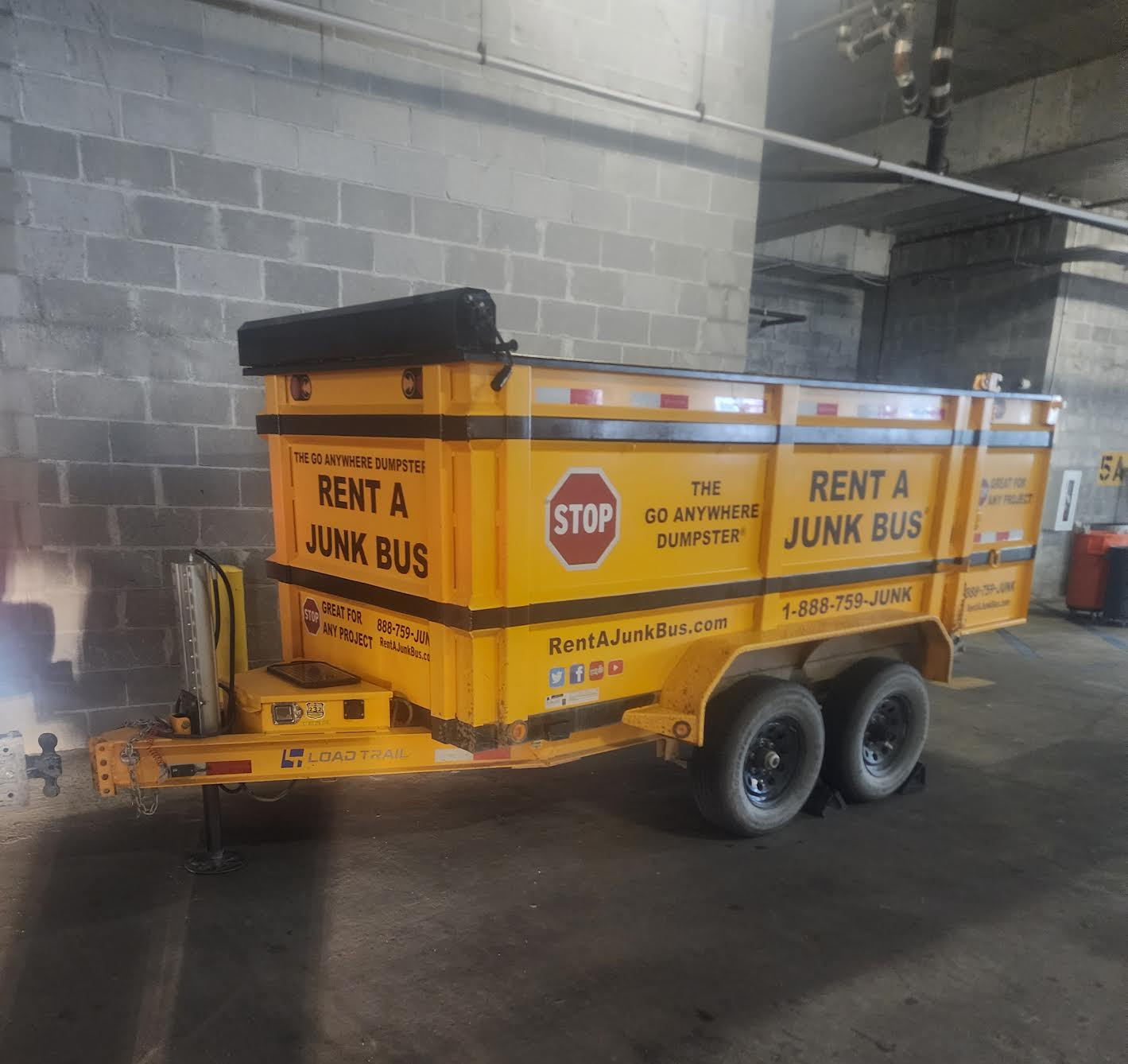
Junk Bus Dumpster Rental & Junk Removal Service
https://www.rentajunkbus.com/
Junk Bus offers the best dumpster rental service & junk removal specializing in dumpster rental on wheels, storm cleanup, junk hauling & more. Call now