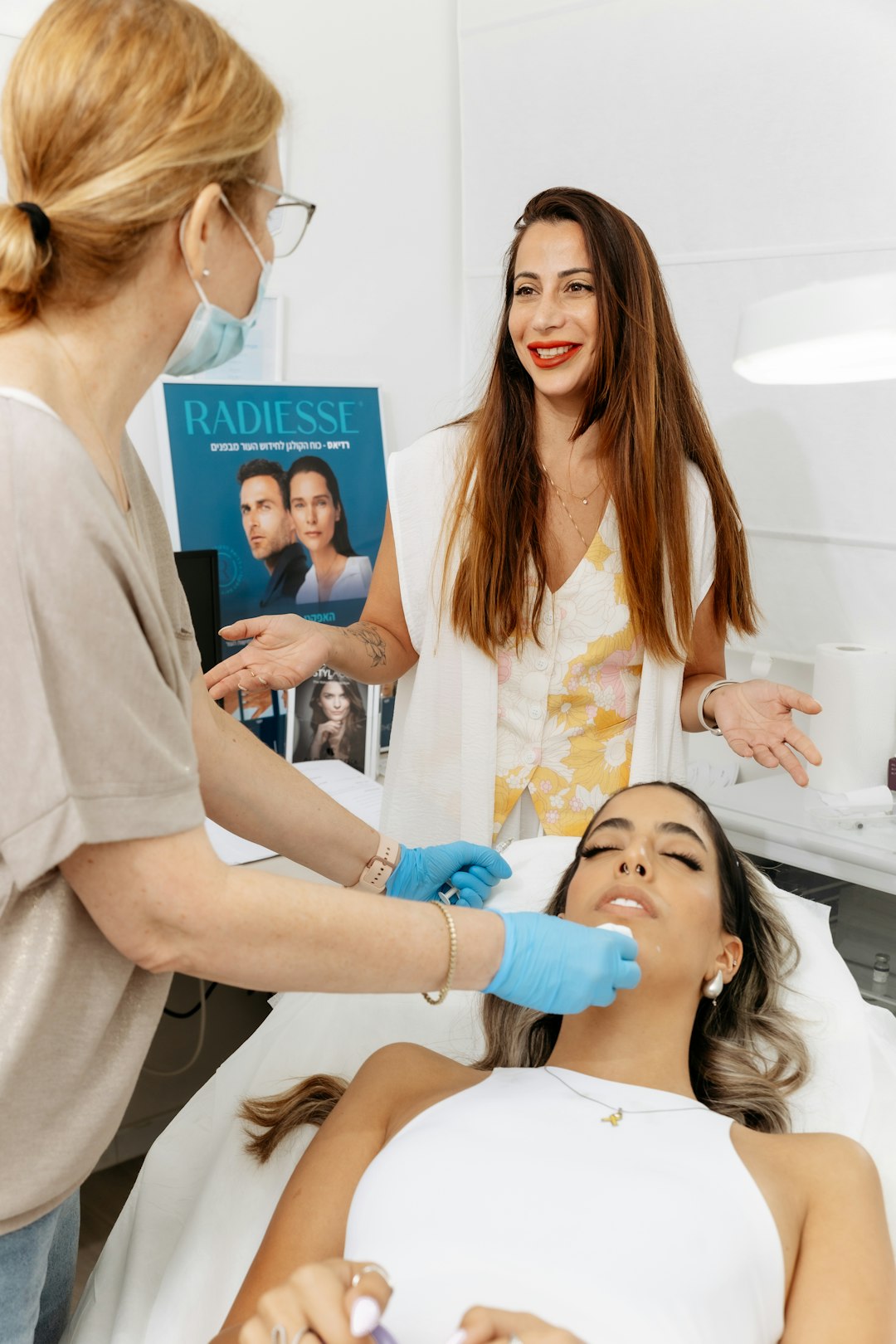
The right dermal filler should enhance your features without making you look unlike yourself. That sounds simple, but in practice it requires more than picking a popular treatment or copying someone else’s results. Facial structure, skin quality, age, lifestyle, and personal taste all shape what will work well. If your aim is to look fresher, restore balance, or soften lines, the best decision usually comes from a careful consultation and a realistic plan rather than a rushed appointment.
One of the biggest misconceptions about fillers is that they are all essentially the same. They are not. Different products are designed for different depths, textures, and treatment areas, and a good outcome depends on matching the filler to both the face and the purpose. When people research safe cosmetic treatments, they are usually looking for more than a product name; they want confidence in the judgement behind the recommendation.
Understand what you want to improve before choosing a filler
Before discussing brands or techniques, it helps to define your goal clearly. “I want filler” is too broad. “I want my lips to look more hydrated but still natural,” or “I want less hollowness around my cheeks,” gives a practitioner something useful to assess. The best filler for one concern may be entirely wrong for another.
Most patients fall into one of a few broad categories: adding structure, restoring lost volume, refining symmetry, or softening the signs of ageing. Structure is often about definition in areas such as the chin, jawline, or cheeks. Volume restoration may focus on mid-face flattening or under-eye hollowness. Symmetry work can be subtle and precise, while age-related treatment often requires a more global assessment of facial support rather than isolated injections.
It is also worth considering what you do not want. Some people want visible change; others want results that are almost impossible for friends to pinpoint. Being honest about your comfort level helps avoid overcorrection and keeps expectations realistic.
Match the filler approach to the treatment area
Different areas of the face place different demands on a filler. Lips move constantly and need a soft, flexible result. Cheeks often require a product that can provide support and lift. Fine lines may call for a lighter approach, while deeper contouring may need something firmer and more structural. This is why the treatment area matters just as much as the product itself.
| Treatment area | Common goal | What matters most |
|---|---|---|
| Lips | Shape, hydration, subtle volume | Softness, flexibility, restraint |
| Cheeks | Lift, contour, volume restoration | Support, placement, facial balance |
| Nasolabial folds | Softening deeper lines | Assessment of surrounding facial volume, not just the line itself |
| Chin and jawline | Definition and profile balance | Structure, proportion, precision |
| Tear trough area | Reduced hollowness and tired appearance | Very careful patient selection and advanced technique |
A thoughtful practitioner will explain not only what can be treated, but whether it should be treated with filler at all. In some cases, skin quality, muscle movement, or facial anatomy means another approach would be more appropriate. That conversation is part of good care.
What safe cosmetic treatments look like in practice
When choosing a clinic, the product should never be your only focus. Technique, medical assessment, hygiene standards, emergency readiness, and aesthetic judgement all matter. Safe cosmetic treatments begin with a thorough consultation that reviews your medical history, allergies, medications, previous treatment, and any tendency toward swelling, bruising, or delayed healing.
Look for signs that the practitioner is careful rather than casual. They should examine your face from multiple angles, discuss proportions, explain benefits and limitations, and talk openly about risks. They should also be willing to say no. A refusal to overfill or treat an unsuitable area is often a sign of professionalism, not inconvenience.
- Ask who will perform the treatment and what their qualifications and experience are.
- Check whether a consultation is offered before treatment rather than replacing it with a quick sales conversation.
- Expect a discussion of risks, including swelling, bruising, asymmetry, and when to seek help after treatment.
- Notice whether the approach feels individual rather than copied from trends or social media images.
- Make sure aftercare guidance is clear and you know how to contact the clinic if concerns arise.
For readers in Kent, Faeger Aesthetics in Tunbridge Wells, at 89A Frant Road, offers the kind of local setting where an unhurried consultation can help clarify whether filler is the right choice and how subtle the result should be. That kind of measured approach is often the difference between a result that settles beautifully and one that feels too obvious.
Questions to ask at your dermal filler consultation
A strong consultation should leave you better informed, not pressured. If you are unsure what to ask, a short checklist can help keep the conversation practical and focused.
- What is the goal of this treatment?
Ask the practitioner to describe the plan in terms of balance, support, or softening rather than simply volume. - Why is this area being treated first?
Sometimes the place that bothers you most is not the place that should be injected first. - How subtle can the result be?
This is especially useful if you are new to filler and want a conservative starting point. - What should I expect immediately after treatment?
You should know about swelling, bruising, tenderness, and the settling period. - What happens if I do not like the result?
A responsible practitioner will explain the review process and the options available.
It is also sensible to bring reference images carefully. They can help communicate preferences, but they should be used as a style reference rather than a template. Your face has different bone structure, tissue volume, and movement patterns, so the goal should be harmony, not imitation.
Choose a plan, not just a procedure
One of the smartest ways to approach filler is to think in terms of a treatment plan rather than a one-off appointment. Faces age and change gradually, and well-judged aesthetic work often happens in stages. A conservative first session gives both patient and practitioner the chance to assess how the filler settles and whether further refinement is needed.
This is particularly important if you are treating more than one area. Filling lips, cheeks, and jawline at the same time may be appropriate for some patients, but for many people a phased approach creates a more elegant and controlled outcome. It also allows you to keep the result aligned with your comfort level.
Good planning includes aftercare and timing. If you have a wedding, photographs, or an important event coming up, avoid leaving treatment to the last minute. Even excellent work can involve temporary swelling or bruising. Giving yourself enough recovery time is part of making a sensible choice.
Ultimately, choosing the right dermal filler is less about chasing a trend and more about finding a careful, proportion-led solution for your own face. The best results tend to look effortless because they are built on good assessment, appropriate product choice, and restraint. If you keep your focus on safe cosmetic treatments, ask clear questions, and choose a practitioner who values subtlety over speed, you are far more likely to end up with a result that feels refined, balanced, and genuinely right for you.
——————-
Discover more on safe cosmetic treatments contact us anytime:
faegeraesthetics.co.uk
https://www.faegeraesthetics.co.uk/
At Faeger Aesthetics, we are dedicated to helping our clients achieve their desired beauty goals. Our founder, Lily, is fully trained and insured, ensuring that you receive a safe and effective service. We offer a range of treatments, from anti-wrinkle injections to dermal fillers and more. We believe that everyone deserves to feel confident and beautiful, which is why we are committed to providing high-quality treatments that deliver exceptional results.